Chodipilli House
The Chodipilli’s family used to live along the coastline and that house collapsed in year 1995 and they got shifted to the Uppada village.

The Family consists of 4 members Prasad Chodipilli, Divya Chodipilli, Victor Chodipilli, Madhuri Badanaa.At present, the family has three different kinds of occupation, where the father is a boat engine mechanic, Victor is a government employee in Uppada and Divya started her catering business as a passion and it plays an important role as an occupation in their family.
1999-2018
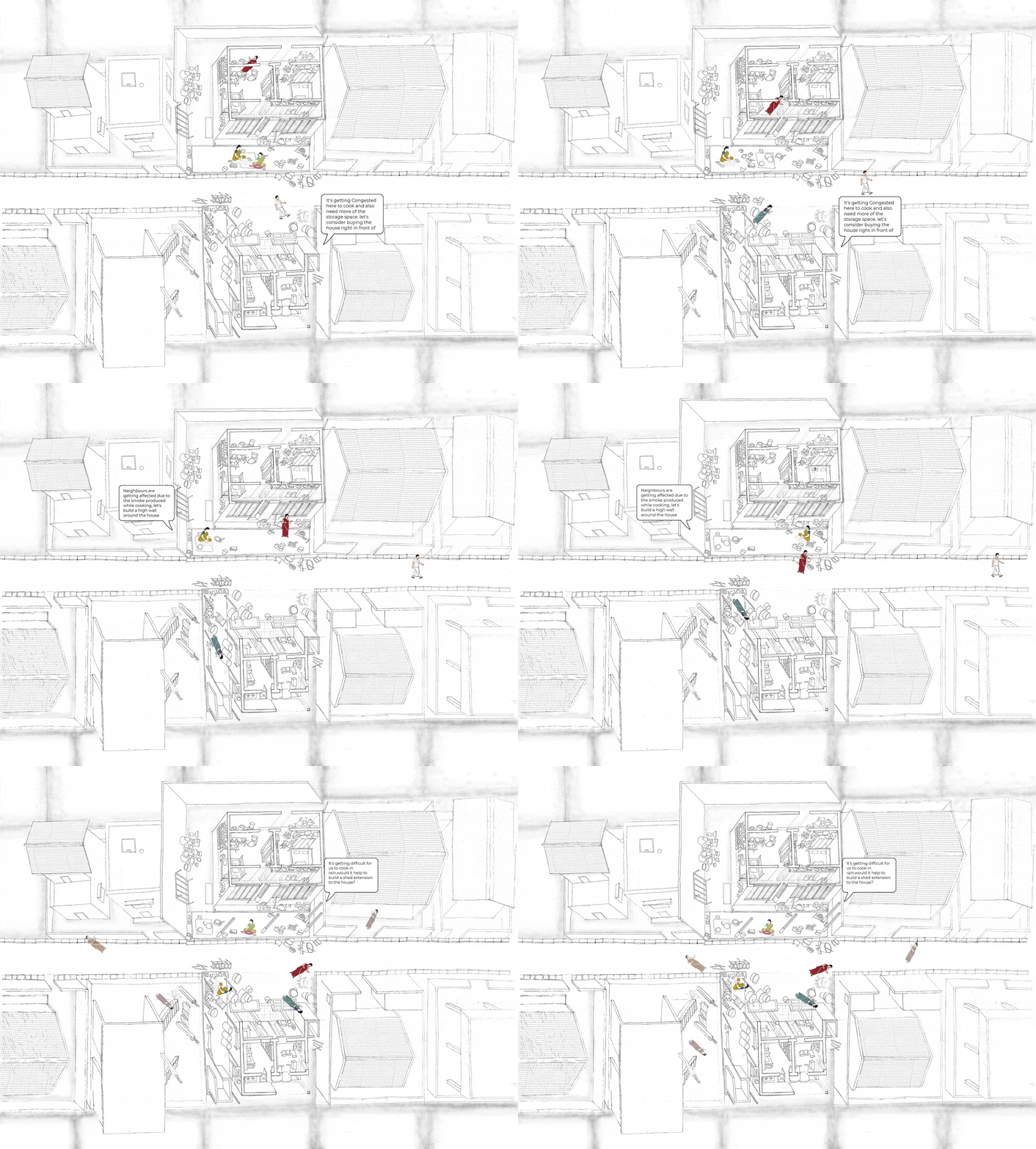
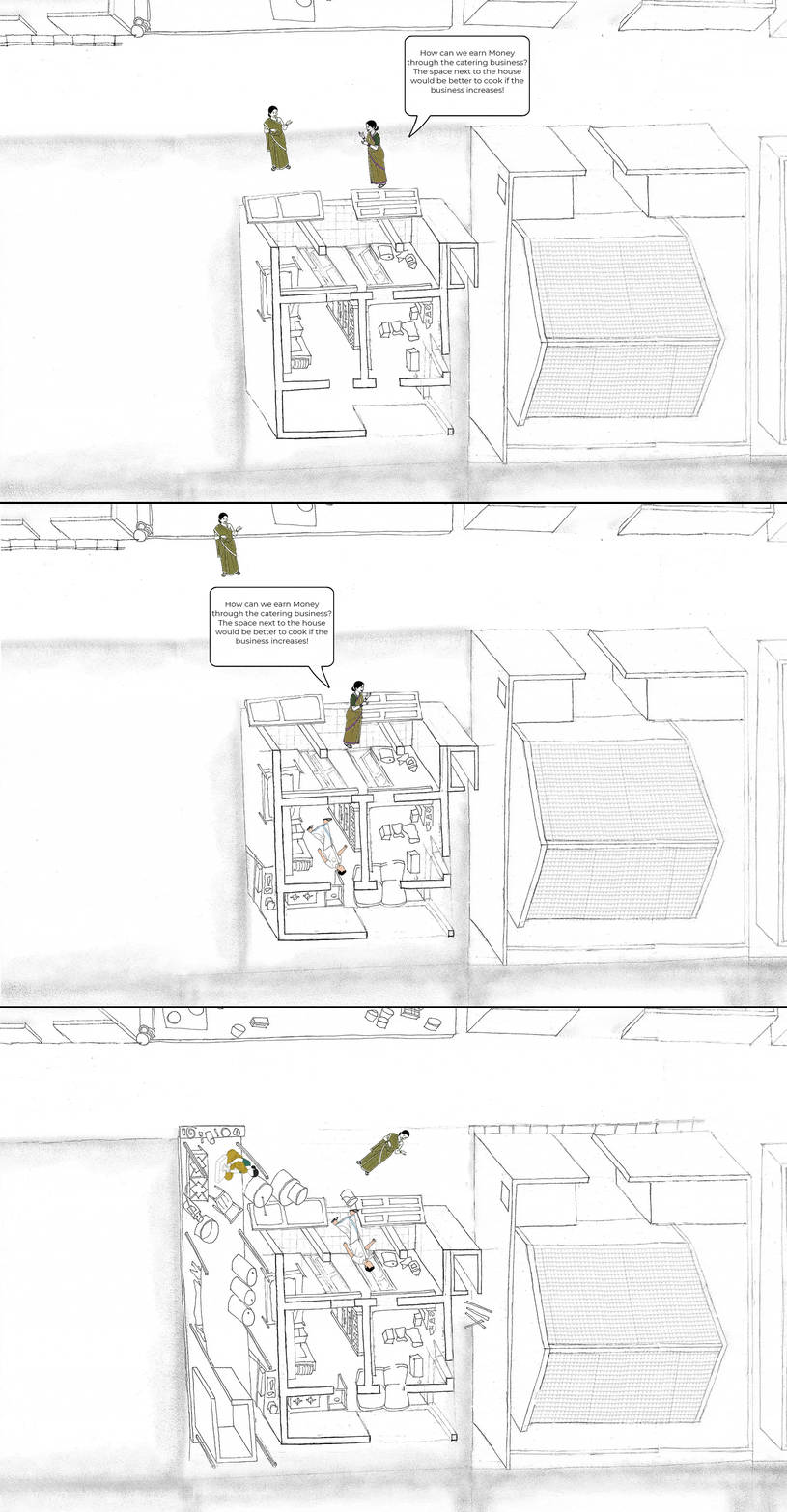
The mother of the house manages both the household and a catering business, which she started as a passion project in 2018. While there are no regular daily orders, the business thrives during festivals, church gatherings, weddings, and prayer meetings. On busy days, she often wakes up at 2 AM to prepare food for morning deliveries. It is a true community effort: neighbors often step in to help chop vegetables, and relatives assist with transportation.
As the business and family grew, they realized they needed more space for both living and working. In 2022, they purchased a plot of land directly in front of their original home from relatives. Building on this new lot has allowed them to finally separate their professional workspace from their private living quarters.
The son now lives in the new house, while the mother utilizes its verandah for her catering work. This space has become essential during the monsoon season, providing a much-needed shelter when outdoor cooking is impossible.
Because the canteen income is seasonal, the earnings are primarily used to cover daily household expenses. Despite their growth, the family continues to dream of building a larger, more professional kitchen. They hope to eventually secure better facilities, more stable housing, and a dedicated workspace that can support the business year-round.
By studying this household, the focus shifts away from fishing alone and toward the home as a living system. The built form is neither fixed nor finished; instead, it evolves slowly to support diverse types of work and evolving futures. Through this lens, anticipation becomes visible within these everyday spaces. Ultimately, the house reflects hope, flexibility, and adaptability rather than damage or loss.